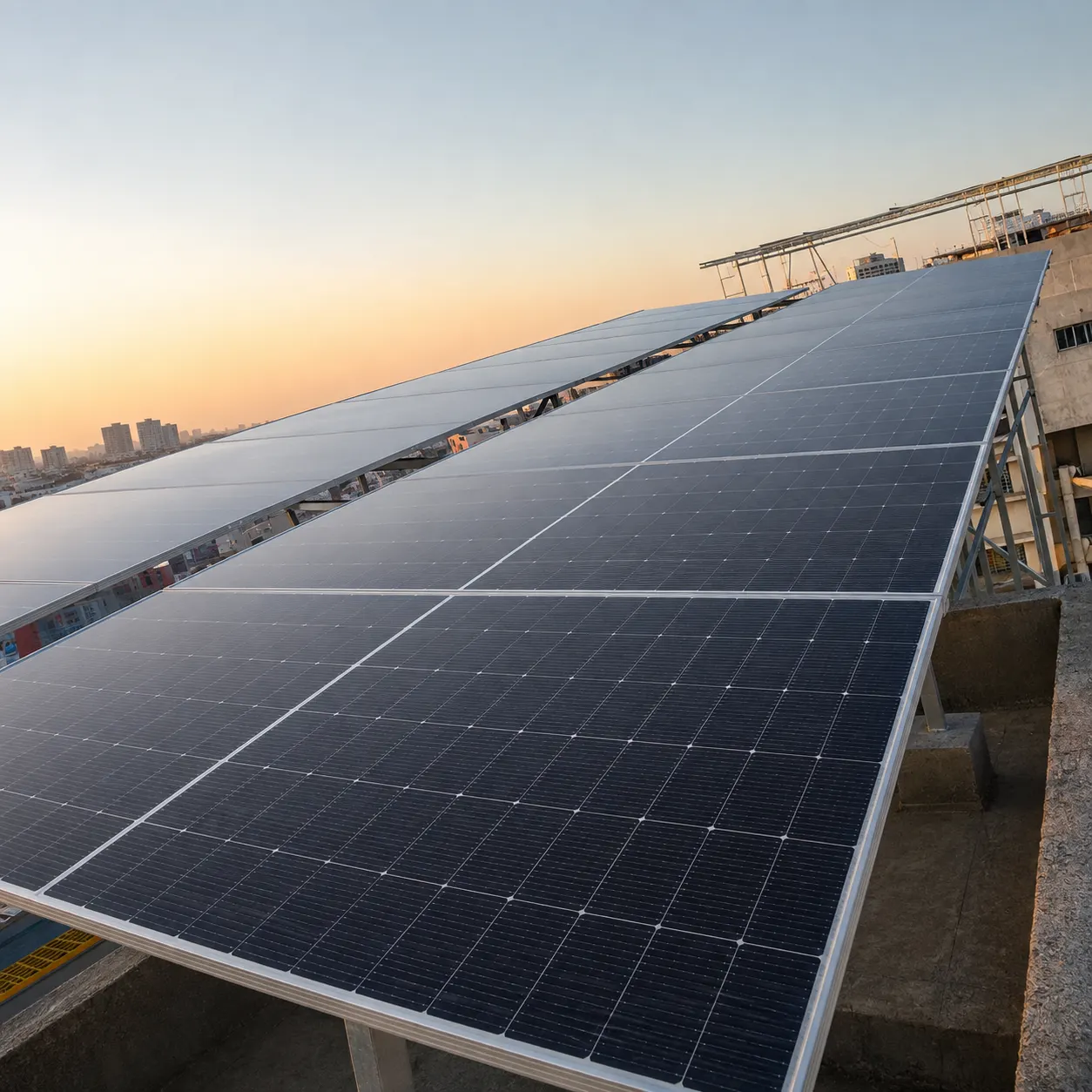
A rooftop solar plant is exposed to the same fire and weather risks as the building below it. It also has inverters, cables and controls that can fail for reasons a property policy may treat differently. A property policy and an equipment warranty can leave different gaps after a loss. Before installation, ask your insurer to identify the plant, its value and the covered events in writing.
Direct answer. A business can seek property cover for a declared rooftop solar plant and separate cover for construction or machinery risks. Fire, storm and theft are not interchangeable promises. The policy schedule must list the relevant assets and location, and its wording decides which event qualifies. Product warranties and an EPC workmanship obligation address different failures. Compare the documents before the plant is energized.
What does solar plant insurance actually insure?
Insurance covers a defined financial interest in listed property against specified events. A solar plant is not automatically insured merely because it sits on an insured roof. The policy schedule should identify the modules, mounting structure, inverters, cables, combiner and protection equipment, and any monitoring hardware. Some insurers place permanently attached panels with the building; others treat the plant as machinery. The distinction changes how a claim is valued and which wording applies. Ask the insurer to confirm the classification in the schedule.
The New India Assurance Bharat Sookshma Udyam Suraksha product page, reviewed on 30 October 2026, expressly names solar panels among additional structures at business premises. Its policy wording says insured property is what is declared and shown in the schedule. That makes an important practical difference: a policy type may be capable of covering panels, while a particular owner’s schedule may omit them. Do not infer cover from the product brochure alone.
Check who owns the plant. A business may own a capital-purchased system, lease its roof to a developer, or buy electricity under an OPEX agreement. The party with the insurable interest and contractual duty to replace damaged equipment may differ in each model. Read the OPEX versus CAPEX guide before assigning that duty in a proposal. If the roof is rented, the landlord’s building policy and the solar owner’s equipment policy should be checked together for gaps.
Use a checklist: identify every plant component, the event being insured, and the party responsible for a claim. Put the answers in a simple asset register. A serial-number list and as-built layout help the insurer identify what was actually installed. The solar-panel warranty guide is useful for the separate warranty file. Insurance is a contract with an insurer, so the actual schedule and wording control the result.
| Asset or interest | Question for the insurer | Evidence to keep |
|---|---|---|
| Modules and mounting | Are panels and structures named? | Serial list and roof layout |
| Inverters and controls | Which cover handles electrical damage? | Invoices and commissioning record |
| Roof and building | Does solar alter building terms? | Structural and installation drawings |
| Lost generation | Is business interruption separately covered? | Production data and policy endorsement |
The table is a document checklist, not a claim that every listed risk is insurable under one product.
How do fire and storm covers differ from a warranty?
A module product warranty concerns defects under its stated terms. A performance warranty concerns output against a manufacturer’s formula. An inverter warranty covers specified equipment failures. None should be assumed to pay for a cyclone that tears off an otherwise sound array, or a fire that destroys the building. Conversely, a property policy normally has exclusions and deductibles; it may not pay for ordinary wear, gradual deterioration or a defect the manufacturer is responsible for. The warranty-claim guide explains the paperwork for the manufacturer route.
The New India Assurance customer information sheet, reviewed on 30 October 2026, lists fire, lightning, storm, cyclone, flood and other named events for insured property. Its wording and schedule still determine whether the installed solar assets are included and whether an exclusion applies. For example, damage caused by a storm may need weather and site evidence, while an inverter failure without external damage may need a different machinery or electronic-equipment policy.
The key question is the cause of the loss. A scorched cable might result from an external fire, an internal electrical fault, a manufacturing defect, poor installation or later maintenance damage. Those causes may lead to different responsible parties. Preserve evidence before replacing the component. Have the site made safe by a competent person, then notify the insurer and relevant EPC or manufacturer under their respective deadlines. The solar fire-safety guide covers prevention and isolation, which also help demonstrate that the installation was maintained responsibly.
Ask the insurer whether panels fixed above the roof count as building additions or plant and machinery, and how storm damage to both panels and roof sheets would be adjusted. Also ask whether foundations, waterproofing and cable routes are covered. For a coastal or high-wind site, the roof-strength guide and structural design file are particularly valuable. They do not guarantee a claim, but they explain the installation’s design basis.
Do not value an insurance policy by the word “comprehensive” in a sales summary. Request the full wording, schedule, endorsements and exclusions. A short certificate can omit the very condition that matters after a fire or storm.
Is theft of rooftop panels covered?
Theft is especially easy to misunderstand because policy wording can limit the covered circumstances. The New India Assurance Bharat Sookshma policy information sheet, reviewed on 30 October 2026, describes theft linked to a listed insured event within its stated period. That is narrower than a blanket promise to replace any stolen panel. The insurer’s current wording and the business’s purchased endorsements must be read before assuming stand-alone theft cover.
Ask about theft, burglary and malicious damage separately. A policy may require signs of forcible entry, secure mounting, a named location or a police complaint. Rooftop modules on an open factory shed can present a different risk from inverters locked inside an electrical room. Record the installed serial numbers and photographs. Without that register, the owner may struggle to show which components are missing and their replacement value.
The proposed security arrangements should be realistic. Restrict roof access, identify who has keys and keep a maintenance visitor log. A camera may help document an event, but it does not replace a policy endorsement. If the plant is on a leased roof or in an industrial estate with shared security, clarify whether the solar owner or the building operator controls the access points. Put that responsibility in the contract. The industrial installation guide covers how roof access is planned during the job.
If theft occurs, make the site safe and avoid disturbing evidence more than necessary. Photograph empty mounting positions, damaged fasteners, access points and any broken cables. Report the incident to the police where required by the policy, notify the insurer promptly under its wording, and preserve the EPC’s asset list and purchase invoices. A claim should identify the exact component and event rather than a broad statement that generation is lower.
Do not assume that a theft endorsement covers consequential lost generation. That is a separate financial loss question. Ask whether business interruption or loss-of-profit cover applies to the solar plant and which waiting period and basis of measurement it uses. If it does not, model that exposure as an owner risk.
Which policy applies during installation and after handover?
Construction and operation are different stages. During construction, modules may be stored, lifted, mounted and wired before the plant is tested. A contractor’s all-risks or construction-all-risks policy is commonly examined for accidental damage during the works and third-party liability, subject to its wording. The New India Assurance contractor all-risks product page, reviewed on 30 October 2026, describes a construction-stage engineering product. It is not proof that a particular EPC job is insured; ask for the actual certificate, project details, schedule and coverage dates.
After commissioning, the owner’s operational property policy should take over without a gap. Record the handover date, energization date and policy start time. If the plant is commissioned in stages, ask the insurer when each stage enters operational cover. A claim can become disputed if construction cover has ended while the operational schedule has not been updated. The solar commissioning guide helps list the documents that mark the transfer.
Machinery breakdown or electronic equipment cover can address risks different from fire and storm. The New India Assurance electronic-equipment product page, reviewed on 30 October 2026, describes sudden unforeseen physical damage to insured electronic equipment, including certain breakdowns, subject to exclusions. An insurer should confirm whether the proposed inverter and monitoring equipment qualify. Do not assume a generic policy covers every inverter fault or loss of production.
Ask for a simple matrix from the insurer and EPC: who bears loss while materials are in transit, in storage, on the roof before commissioning, during testing and after handover? The answer may be split across supplier, transporter, EPC and owner policies. For a live factory, third-party liability matters because roof work occurs above people and equipment. Confirm whether it is included and who is named as insured.
An EPC proposal should identify its insurance responsibilities and the point at which risk transfers. The owner should arrange its own operational policy in time, even when the EPC has construction-stage cover. That contract detail is more useful than a vague assurance that the project is “fully insured.”
Make the plant documents ready for a broker review. Bring the equipment list, roof drawings and warranty terms to commercial solar when planning a new project. Ask that the proposal identify the handover records an insurer may request.
What exclusions and values should an owner check?
Begin with the schedule. It should state the insured location, sum insured, covered property and endorsements. If the solar plant was added after the building policy began, tell the insurer and obtain a written endorsement. The New India Assurance policy wording requires disclosure of relevant information and describes underinsurance treatment. These are policy-specific terms, so an owner should compare the current wording of the product actually purchased.
Ask whether the sum insured reflects replacement or depreciated value. Replacement can include modules, inverter, mounting, freight, labour, electrical reconnection and taxes, depending on the policy. A plant’s historical EPC invoice may not equal current replacement cost. Conversely, overstatement can raise the premium without changing a capped claim. Have the insurer document the valuation basis and update it after additions, repowering or a major inverter replacement. The inverter replacement guide explains why that component may change before the whole array.
Review deductibles, depreciation, betterment, co-insurance and underinsurance clauses. A policy may cover an event but still leave a portion with the owner. Check exclusions for wear, corrosion, gradual damage, faulty design, defective materials, unapproved modifications and manufacturer responsibility. The exact wording varies. A coastal plant with salt exposure should not assume corrosion is a sudden insured event. The coastal solar guide gives a maintenance context for that risk.
Also test business interruption carefully. If a storm stops generation while the factory keeps running on grid power, the physical plant claim and the value of ungenerated electricity are separate matters. Ask whether the policy includes loss of solar income or savings, how baseline output is calculated, and whether the event must first cause insured physical damage. Do not insert an unsupported savings estimate into the schedule.
Use a quote comparison table:
| Question | Policy A | Policy B |
|---|---|---|
| Solar assets explicitly scheduled? | Record wording | Record wording |
| Fire and storm events? | Record wording | Record wording |
| Stand-alone theft? | Record wording | Record wording |
| Inverter breakdown? | Record wording | Record wording |
| Deductible and value basis? | Record figures | Record figures |
The cheapest premium is not automatically the better fit. The comparison must address the event the factory can least afford to absorb.
How should you document a plant before any claim?
A claim is easier to examine when the plant has a complete handover file. Keep the signed EPC contract, tax invoices, module and inverter serial lists, single-line diagram, roof layout, structural drawing, commissioning tests, DISCOM approval and generation-monitoring access. Store copies away from the electrical room. The solar-panel warranty guide explains why serial numbers and invoices matter for manufacturer claims too.
Photograph the roof before installation, after mounting and at handover. Take clear images of module rows, fasteners, cable support, inverter labels, earthing and protection. For a storm claim, pre-loss evidence can show the configuration that existed before the event. Keep maintenance logs for cleaning, thermography, torque inspections and repairs. An insurer may ask whether observed damage developed gradually or followed a specific event; records help answer with dates.
Create a contact sheet with insurer policy number, agent, claim channel, EPC contact, building manager and licensed electrician. The first response to a fire or damaged cable is safety: isolate where safe, keep people away and call emergency services as needed. Then notify the insurer under its procedure before discarding damaged parts. The fire-safety guide covers the operational isolation plan, and the generation diagnosis guide helps distinguish a production alert from visible physical damage.
Take a dated snapshot of the monitoring portal and utility meter readings after a loss. If the insurer asks about lost generation, the readings may help establish when the outage began. Avoid editing logs. Keep copies of weather alerts, police reports or fire service records when relevant. The documents do not force a particular claim outcome; they give the surveyor a coherent event timeline.
Set a yearly review reminder. Check whether the insured plant capacity, component list and replacement value still match the as-built system. A later capacity increase, relocated inverter or new battery should be disclosed to the insurer. The risk is especially high when a business adds equipment in stages and assumes the original schedule followed it automatically.
Before energization
Ask for the policy schedule and confirm the plant, roof location, sum insured, start date and covered events. Keep the written insurer response with the commissioning file.
What should you do after a fire, storm or theft?
First protect people and stabilize the site. Do not touch damaged DC cables or wet equipment. Isolate the plant through the documented emergency procedure only if it is safe to do so, and involve a qualified electrical professional. For fire, contact emergency services. For suspected theft, secure the area and follow the policy’s police-report requirement. The insurance claim can wait until immediate hazards are controlled.
Second notify the insurer through the channel and time limit in the actual policy. The New India Assurance policy wording sets obligations for disclosure and claims; other insurers may use different time limits and forms. Ask for a claim reference number and surveyor instructions. Inform the EPC and relevant manufacturer if a defect or workmanship issue may also be involved, but keep the routes distinct.
Third preserve evidence. Photograph the scene before repairs, retain damaged components where safe, and keep an event log. Record the date, time, weather, alarm messages, people present and actions taken. Give the insurer invoices, serial numbers, schedule, as-built drawings and maintenance records. If emergency repair is essential to protect the building, document it and seek the insurer’s instructions as soon as practical. Do not throw away a failed inverter merely because a replacement is urgent.
Fourth obtain a written assessment of cause and scope. A single lost panel, damaged roof section and failed inverter may have different causes. Ask the surveyor which items are accepted under which section and how deductible and depreciation apply. If a claim is declined, request the cited policy clause and explanation. The IRDAI Bima Bharosa complaint portal, checked on 30 October 2026, provides a formal complaint route after the insurer’s grievance process. This is a route for a disputed insurance decision, not a substitute for filing the claim correctly.
Finally update the asset list and schedule after repairs. A replacement module or inverter has a new serial number. The insurer and manufacturer records should reflect it. The warranty-claim guide gives the parallel process if a product defect is established.
Claim file
Keep the safety report, event photographs, asset register, insurer claim reference and repair invoice together. Update the plant record after replacement.
How Heaven Green Energy helps frame the Solar Proposal
An insurance decision belongs to the owner and insurer. A solar proposal can still make that decision easier by defining the plant clearly. Ask the EPC for an itemized equipment schedule, single-line diagram, roof layout, structural assumptions and a handover list. Those documents let an insurer see what is being installed and when the owner takes responsibility. They also expose gaps between an existing building policy and the proposed solar plant.
For a factory or commercial building, share the electricity bill, roof location and ownership arrangement with the EPC. The bill helps size the plant; the ownership arrangement determines who should ask the insurer for cover. A tenant, landlord and third-party plant owner may need different endorsements. The commercial-solar page is the enquiry route for a business site review. An industrial plant with multiple buildings can use the industrial-solar page to frame the broader design discussion.
Heaven Green Energy does not sell insurance. Ask a licensed insurer or broker to compare policy wordings and quote cover. An EPC should answer technical questions about equipment, construction and commissioning, while the insurer confirms what it will insure. That division keeps a proposal from implying cover that has not been purchased. The how-to-read-solar-quote guide helps the buyer check what documentation is included.
- Commercial solar for a business rooftop proposal and equipment schedule.
- Industrial solar for a factory site and electrical design review.
Use this proposal checklist:
- Identify the plant owner, roof owner and electricity consumer.
- Request a component list, serial-register format and design drawings.
- Ask when construction risk transfers to the owner.
- Send the plant details to the insurer for a written schedule.
- Confirm who will file claims for construction and operational losses.
- Keep the final policy and commissioning file together.
The list is also useful when a lender requires proof of cover. Ask the lender for its exact insurance and beneficiary requirements before the policy is issued. Avoid treating a generic certificate as evidence that all solar risks are covered.
Useful cover questions
- Are all solar assets named?
- Are fire and storm events included?
- Is theft covered on this roof?
- Who insures the construction stage?
Gaps to resolve
- Undeclared new equipment
- Inverter breakdown excluded
- Deductible or value mismatch
- Unclear handover date
Practical verdict. Buy cover against the losses your business cannot absorb, but judge it from the schedule and wording. A warranty, a contractor certificate and a building policy can each leave a different gap. An insurer’s written confirmation is the point at which a proposed cover becomes reviewable.
If you are comparing a business rooftop project, send the proposed roof location and recent electricity bills through commercial solar. Ask the EPC for the equipment and handover records your insurer needs before the system goes live.
Frequently asked questions
Does a solar-panel warranty replace insurance?
No. A warranty addresses stated product or performance defects under the manufacturer’s terms. Insurance addresses insured losses caused by events in the policy wording. A storm can damage healthy panels; an inverter can fail without any storm. The owner should keep both documents and ask which party handles each failure.
Is rooftop solar automatically covered by my factory policy?
Do not assume it is. Some business property products can include solar panels, but the policy schedule must identify the insured property and location. Ask the insurer for written confirmation and a revised schedule after installation. A brochure naming solar panels is not proof that a particular plant has been declared.
Does fire insurance cover a failed inverter?
It depends on the cause and wording. Fire damage and internal electrical breakdown may sit in different sections or policies. Ask the insurer to review the inverter model, protection design and proposed machinery or electronic-equipment cover. A manufacturer warranty may be relevant if the failure is a product defect.
Will insurance pay for stolen modules?
Only if the purchased policy covers the theft circumstances. Some fire products limit theft to events linked to another insured peril. Ask about stand-alone theft and security conditions, then retain serial numbers, photos and any required police report. Avoid relying on a broad sales description.
Who insures panels while the EPC is installing them?
The EPC contract should state who bears risk in transit, storage, lifting, installation, testing and handover. A contractor’s all-risks policy may cover some construction-stage losses, subject to its schedule. The owner should review the certificate and arrange operational cover to begin when risk transfers.
What documents should I keep for a claim?
Keep the policy schedule, invoices, serial-number register, roof layout, single-line diagram, commissioning records and maintenance log. After an incident, add dated photographs, an event timeline, monitoring data and any police or fire report. Notify the insurer under its wording before discarding damaged components.
Can I insure lost solar savings?
Ask about a specific business-interruption or loss-of-generation extension. A physical damage policy does not necessarily pay for electricity the plant would have produced. The insurer should explain the trigger, waiting period and measurement method in writing before you rely on that protection.